

Knee Pain, Fatherhood and Staying Active: How I Finally Got My Life Back
By Ryan, 38 — New Dad, Dog Owner & Runner (UK) Becoming a dad changes everything, in the best possible way. My weekends used to revolve around long runs, coffee
🔥 Enjoy 10% Off Every Order(Discount automatically applied at checkout)
Since 2013, our online pharmacy has been dedicated to helping individuals overcome insomnia, establishing ourselves as a leading supplier of sleeping pills. We offer a comprehensive selection of safe, effective, and licensed medications for insomnia, in addition to treatments for anxiety and pain. Our customers can conveniently purchase sleeping pills online at any time, without the need for a doctor’s prescription, and at highly competitive prices. Our website provides extensive information for every medication we stock, including detailed usage instructions, to help you make informed decisions and ensure safe and effective use. We pride ourselves on our efficient customer support team and prompt delivery service, with all orders typically dispatched within 24 hours. If you know what you need, simply select your desired quantity from the menu below and add it to your cart!
Explore our comprehensive selection of safe, effective, and licensed medications for insomnia, anxiety, and pain. Select your desired quantity from the menu below and add it to your cart!

Alprazolam is a benzodiazepine used to treat anxiety and panic disorders. It produces a calming effect similar to diazepam and can also help with short-term insomnia and muscle tension.

Armodafinil is an FDA-approved wakefulness-promoting agent for excessive daytime sleepiness related to narcolepsy, sleep apnoea, and shift-work disorder. It is the R-enantiomer of modafinil, making it slightly stronger and longer-lasting. It is also used off-label for ADHD, chronic fatigue syndrome, and as a cognitive enhancer.
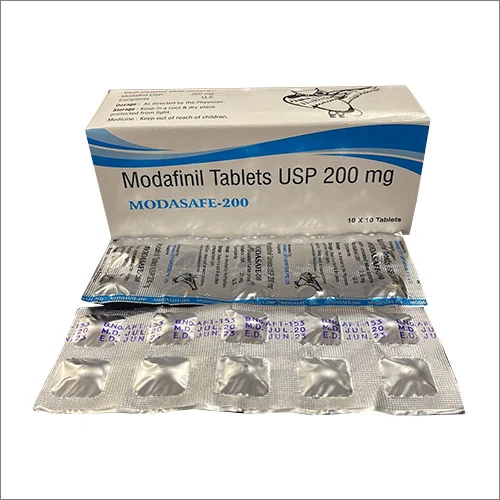
Modafinil is a eugeroic (wakefulness-promoting) medication used to manage excessive sleepiness from disorders like narcolepsy, sleep apnoea, and shift-work disorder. Its off-label use as a cognitive enhancer (“smart drug”) has increased its popularity. It works by inhibiting the reuptake of dopamine, increasing its levels in the brain and activating orexin neurons to promote wakefulness. It is sold as Provigil and is available by prescription, though conveniently purchased online.
Carisoprodol is a muscle relaxant used to provide relief from the discomfort of short-term pain related to muscle and bone conditions.
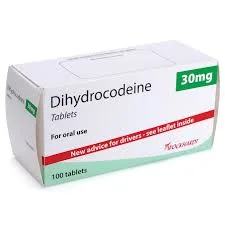
Dihydrocodeine is an opioid analgesic for the relief of moderate to severe pain, often used when standard painkillers like paracetamol or ibuprofen have failed to provide relief.
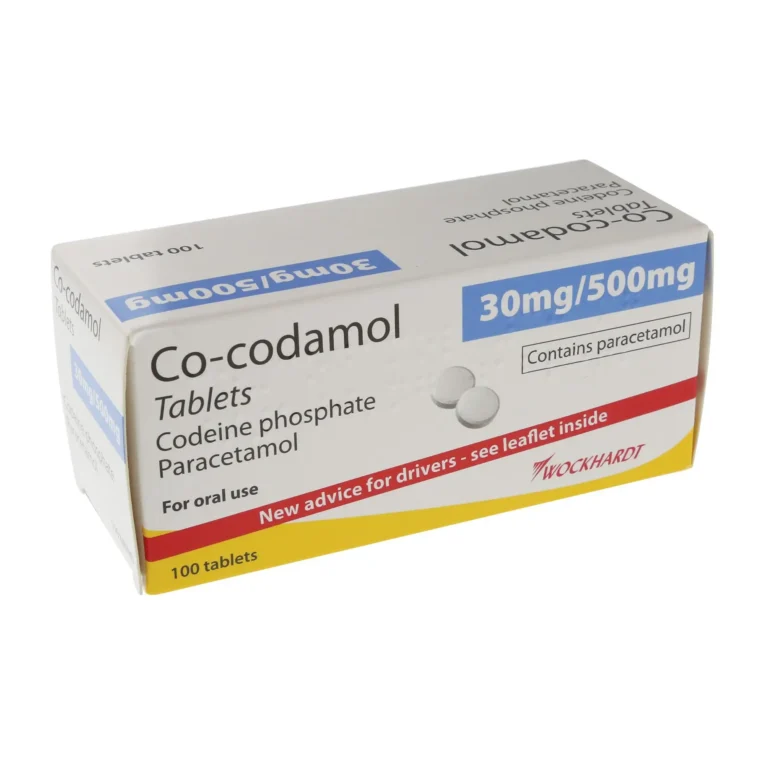
Co-codamol is a painkiller that combines codeine (30 mg) and paracetamol (500 mg). It is used to provide relief from toothache, back pain, headaches, migraines, and muscular/joint pain.
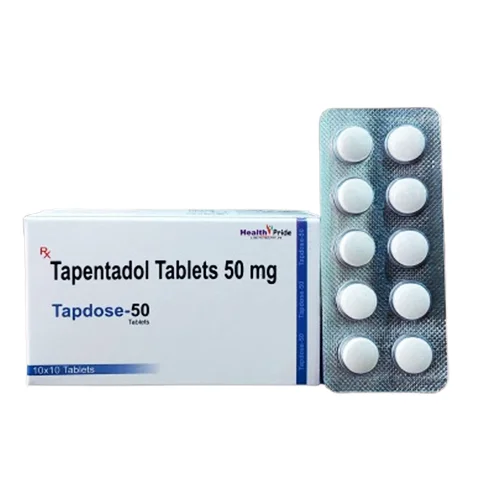
Tapentadol is an opioid pain reliever sold under the brand name Nucynta. It is used for managing moderate to severe acute and chronic pain.
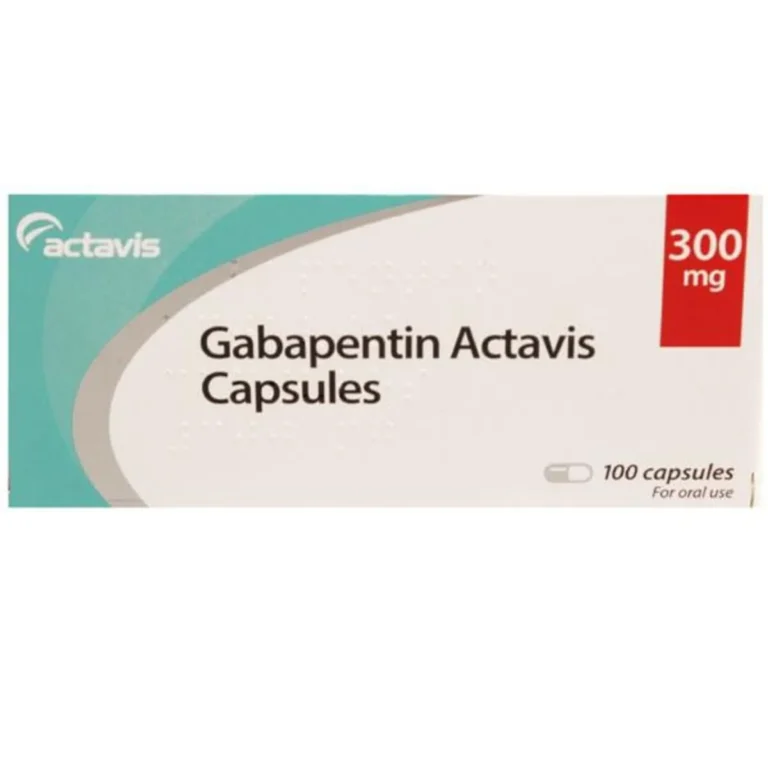
Gabapentin, commonly known as Neurontin, is an anticonvulsant medication used to manage neuropathic pain and epilepsy. It also acts as a muscle relaxant and anti-spasmodic.
Alprazolam is a benzodiazepine used to treat anxiety and panic disorders. It produces a calming effect similar to diazepam and can also help with short-term insomnia and muscle tension.

Lorazepam is a benzodiazepine medication, often branded as Ativan, used for treating anxiety, insomnia, seizures, and alcohol withdrawal. It acts on brain nerve activity to calm severe anxiety.
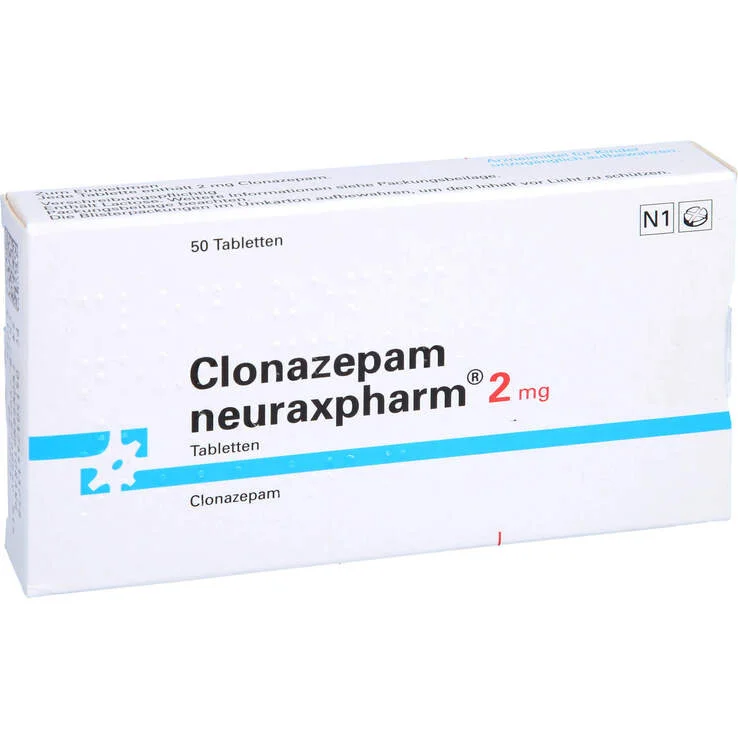
Clonazepam, also known as Klonopin, is used for treating anxiety, panic attacks, and seizures. This benzodiazepine works by calming abnormal nerve activity in the brain.
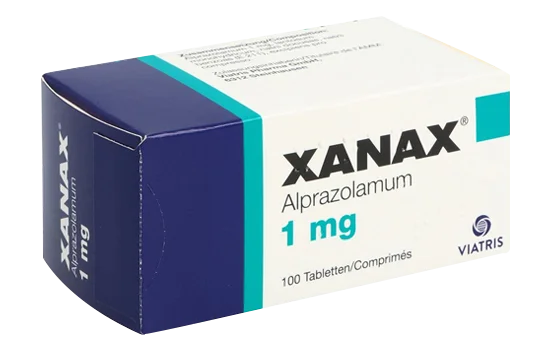
Xanax is a benzodiazepine medication for anxiety disorders, panic attacks, and depression. Its active ingredient, alprazolam, is a CNS depressant that slows brain activity to produce a calming effect.
Armodafinil is an FDA-approved wakefulness-promoting agent for excessive daytime sleepiness related to narcolepsy, sleep apnoea, and shift-work disorder. It is the R-enantiomer of modafinil, making it slightly stronger and longer-lasting. It is also used off-label for ADHD, chronic fatigue syndrome, and as a cognitive enhancer.
Modafinil is a eugeroic (wakefulness-promoting) medication used to manage excessive sleepiness from disorders like narcolepsy, sleep apnoea, and shift-work disorder. Its off-label use as a cognitive enhancer (“smart drug”) has increased its popularity. It works by inhibiting the reuptake of dopamine, increasing its levels in the brain and activating orexin neurons to promote wakefulness. It is sold as Provigil and is available by prescription, though conveniently purchased online.
Carisoprodol is a muscle relaxant used to provide relief from the discomfort of short-term pain related to muscle and bone conditions.
Dihydrocodeine is an opioid analgesic for the relief of moderate to severe pain, often used when standard painkillers like paracetamol or ibuprofen have failed to provide relief.
Co-codamol is a painkiller that combines codeine (30 mg) and paracetamol (500 mg). It is used to provide relief from toothache, back pain, headaches, migraines, and muscular/joint pain.
Tapentadol is an opioid pain reliever sold under the brand name Nucynta. It is used for managing moderate to severe acute and chronic pain.
Gabapentin, commonly known as Neurontin, is an anticonvulsant medication used to manage neuropathic pain and epilepsy. It also acts as a muscle relaxant and anti-spasmodic.
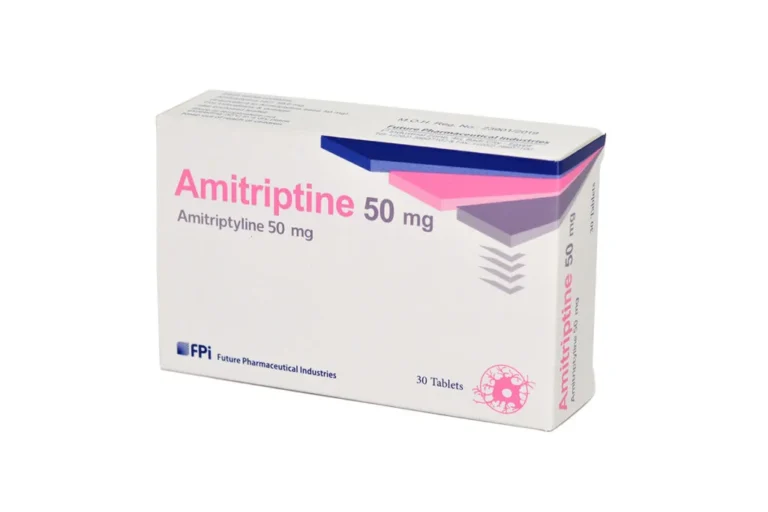
Amitriptyline is a generic medication, originally developed as an antidepressant, that is also effective for managing neuropathic pain and sleep disturbances associated with conditions like fibromyalgia.
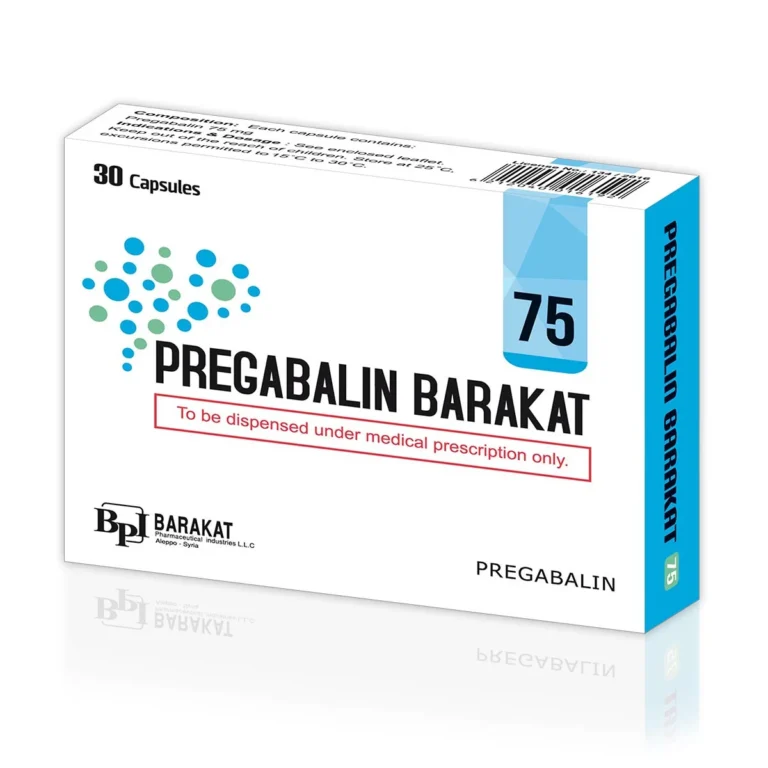
Pregabalin, also known by the brand name Lyrica, is a medication used for the treatment of anxiety, epilepsy, fibromyalgia, and nerve pain caused by conditions like diabetes or shingles.

Tramadol is a powerful opioid painkiller used for the relief of moderate to severe pain. It works by blocking pain signals that travel through the nervous system.

Diazepam is an oral medication used for treating insomnia, anxiety, and stress. This benzodiazepine suppresses the central nervous system to promote relaxation and sleep. A typical treatment course lasts from one to three weeks.
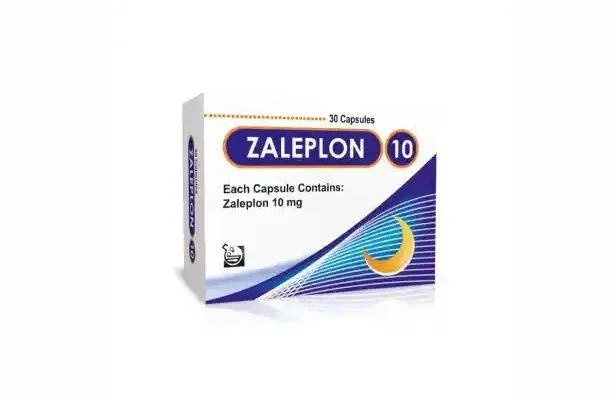
Since its FDA approval in 1999, Zaleplon (Sonata) has been a reliable option for those unable to sleep due to insomnia. It is a sedative hypnotic that works by slowing the central nervous system to promote sleep.

Nitrazepam is a benzodiazepine medication used for severe insomnia, including trouble falling asleep, frequent nighttime awakenings, and waking too early.
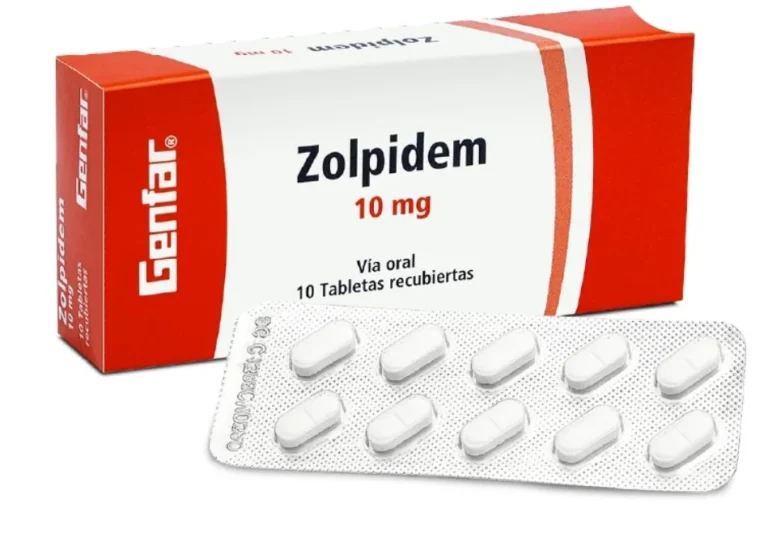
Zolpidem, known by brand names Ambien and Stilnox, is recommended for the short-term treatment of insomnia. It provides fast, undisturbed sleep for up to 8 hours.

Zopiclone, sold under brands like Imovane and Datolan, is a sleep-inducing medication for insomnia. It helps users fall asleep quickly and enjoy uninterrupted sleep throughout the night.
By Ryan, 38 — New Dad, Dog Owner & Runner (UK) Becoming a dad changes everything, in the best possible way. My weekends used to revolve around long runs, coffee

By Daniel, 47 — Husband, Dad & Marketing Manager (UK) For most of my adult life, I thought stress was just part of being a man with responsibilities. A demanding

By Susan, 59 — Office Receptionist (UK) If you work in a busy office, you’ll understand that the day doesn’t slow down just because you didn’t sleep. Phones ring, visitors
Insomnia is defined as the persistent difficulty in falling or staying asleep. While many cases are transient and resolve without medical intervention, the condition can become chronic, significantly impacting daytime life. A person is typically diagnosed with chronic insomnia if they experience sleep difficulties at least three nights per week for three months or longer. To manage this, many turn to sleeping tablets to achieve restful sleep.
Insomnia manifests in various ways, including trouble falling asleep, frequent nighttime awakenings, or waking up too early and being unable to return to sleep. These disruptions often lead to daytime fatigue, reduced work performance, lethargy, and poor concentration.
Various factors can contribute to insomnia. Underlying medical conditions like back pain, arthritis, gastrointestinal issues, and sleep apnoea are common triggers. Certain medications for high blood pressure, asthma, nasal allergies, and depression can also interfere with sleep. Psychological factors such as anxiety, stress, and depression are major contributors, with nearly half of all insomnia cases linked to psychological stress. Life events, including recent trauma or worries about finances and relationships, can also make it difficult to sleep.
Implementing lifestyle and routine changes can often improve sleep without medication. It's advisable to avoid the following before bed: Large, heavy meals: These can cause indigestion and disrupt sleep. Excessive fluids: Can lead to nighttime trips to the bathroom. Caffeine: A stimulant that can prevent falling asleep, especially later in the day. Alcohol: While it may induce drowsiness initially, it often leads to fragmented, poor-quality sleep. Beneficial habits for better sleep include: Avoiding daytime naps, which can make it harder to sleep at night. Reserving the bedroom for sleep and intimacy only, avoiding work or stimulating activities. Relaxing before bed instead of worrying about the next day. Maintaining a consistent sleep schedule, even on weekends. Quitting smoking, as nicotine withdrawal overnight can cause wakefulness. Investing in a comfortable mattress to support quality sleep.
For those with severe or chronic insomnia, lifestyle changes may not be sufficient. In these cases, sleeping pills offer a fast and effective solution to fall asleep and stay asleep. They are best used as a short-term treatment to break the cycle of sleeplessness, with use gradually reduced over several weeks. They can also be useful for specific situations, like long-haul flights, where normal sleep patterns are disrupted. In summary, sleeping pills are a highly effective short-term option when other methods have proven ineffective.
Several medications can quickly induce sleep. The most common are zopiclone and zolpidem tartrate (Ambien). Other effective options include eszopiclone (Lunesta), temazepam (Restoril), diazepam (Valium), and nitrazepam (Mogadon). The most suitable medication depends on the individual and the specific type and severity of their insomnia.
Yes, sleeping pills can be ordered online, but it is important to take precautions. Natural methods and lifestyle changes should be tried first. If insomnia becomes chronic, short-term use of sleeping pills can be an effective solution. It is crucial to ensure you are using a reputable website that sells licensed, safe, and effective medications.